Is Rose Gold Cheaper Than Yellow Gold? A Complete Price & Value Guide
Trying to decide between rose gold and yellow gold? We break down the real cost, value, durability, and what’s best for you. Find out which is cheaper.
jewerly
03/07/2025
Last modified: 4 de July de 2025
Table Of Contents
When you’re choosing the perfect metal for a new piece of jewelry, the warm glow of yellow gold and the romantic blush of rose gold are both stunning options. But beyond aesthetics, a practical question often comes up: is rose gold cheaper than yellow gold? While it seems like a simple query, the answer involves a fascinating look into what truly determines the value of gold. The price difference between these two metals is often misunderstood, so we’re here to clear up the confusion and guide you toward the right choice for your style and budget.
Understanding Gold Purity and Karats
Before we can tackle the price question, we need to talk about the heart of any gold piece: its purity. You may have heard of 24-karat (24k) gold, which is pure gold in its natural state. It’s beautiful but also incredibly soft—too soft, in fact, for the demands of everyday wear. To create durable jewelry that lasts a lifetime, goldsmiths mix pure gold with other metals, creating what we call an alloy.
The purity of this alloy is measured in karats. Think of karats as a 24-part scale. A piece marked “18k” contains 18 parts pure gold and 6 parts other metals, making it 75% pure gold. Similarly, 14k gold is 58.3% pure gold. This karat value, representing the actual gold content, is the single most important element driving the base cost of any gold jewelry.
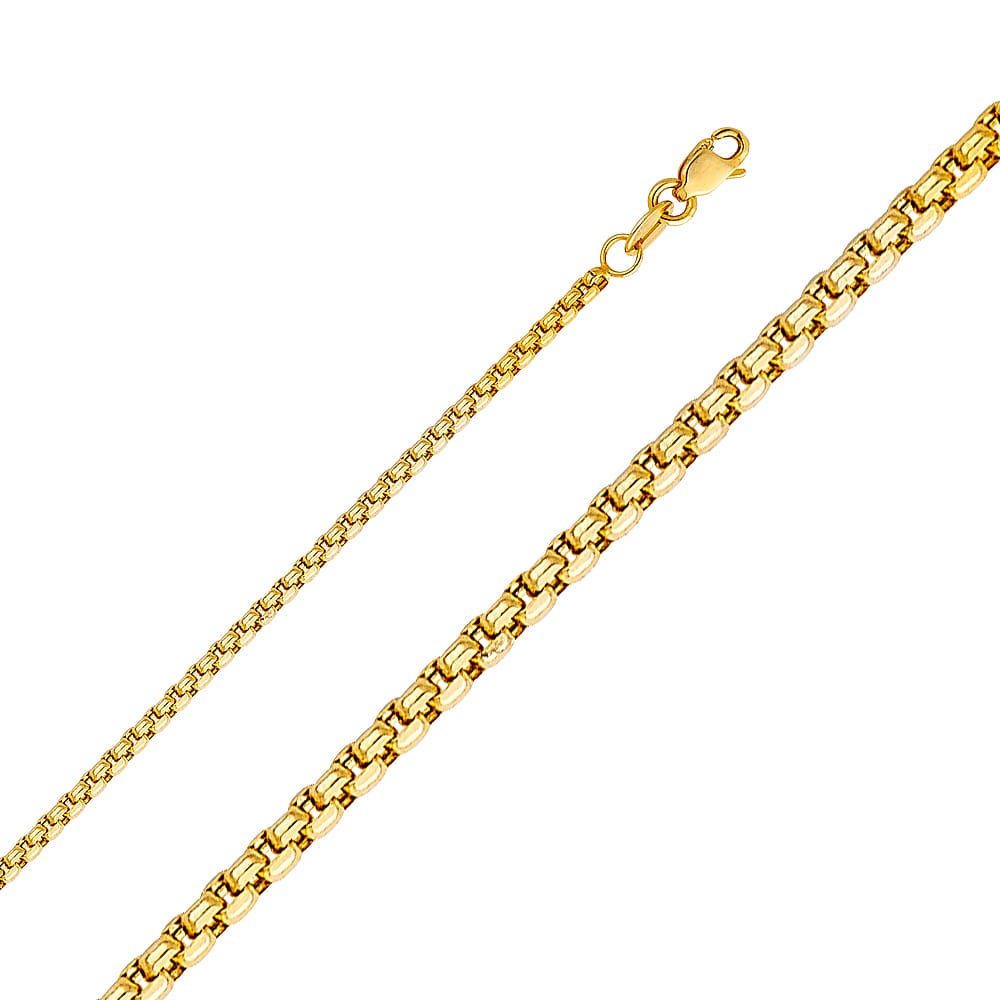
What is Yellow Gold?
Yellow gold is the timeless classic, the color that has symbolized wealth and beauty for millennia. It’s the radiant, sun-like metal that most of us imagine when we think of gold.
Composition and Characteristics
To achieve its signature warmth and strength, pure gold is alloyed with a balanced mix of metals like silver and copper. This blend fortifies the gold without compromising its iconic color. An 18k yellow gold piece, for instance, typically contains 75% gold, with the remaining 25% being a careful recipe of these strengthening metals. Because it contains less reactive metals compared to rose gold, it’s also considered the most hypoallergenic of the colored golds, making it a safe choice for sensitive skin.
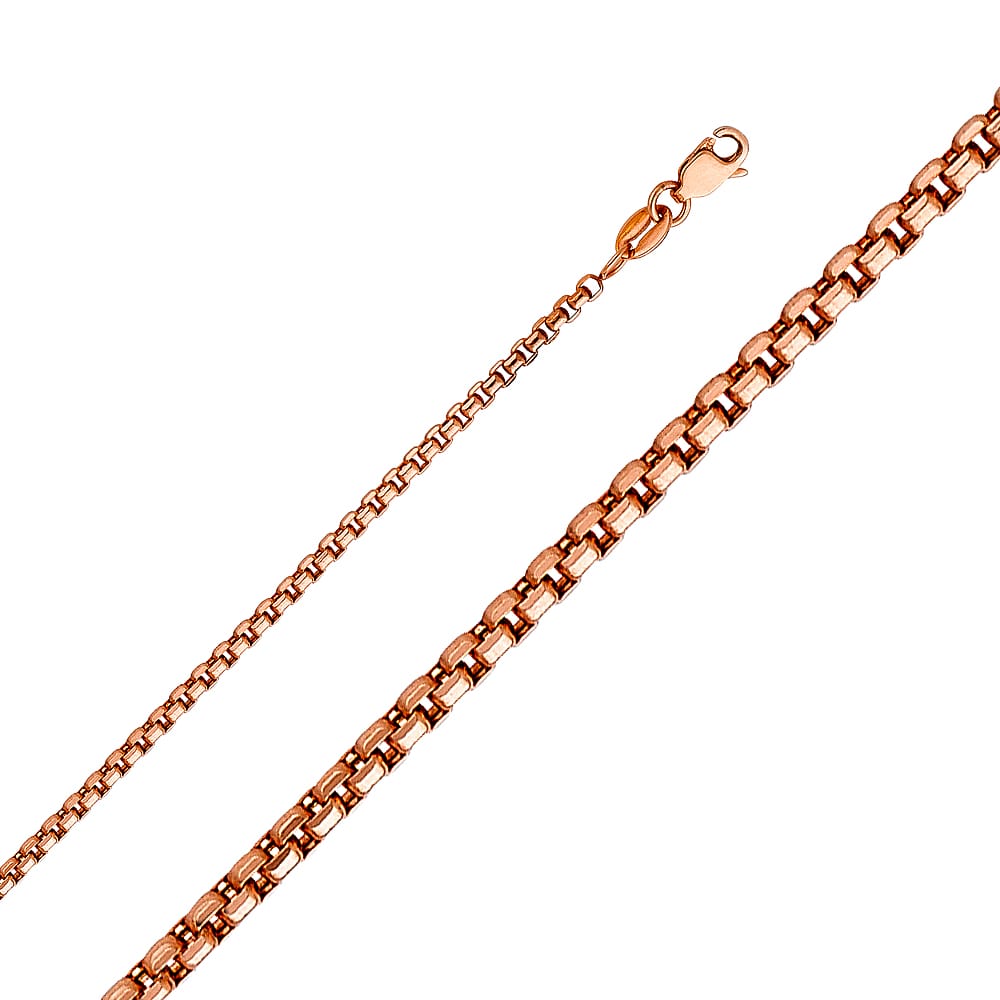
Like its yellow counterpart, rose gold begins with pure gold. Its distinctive color comes from blending gold with a significant amount of copper. A typical 18k rose gold alloy is 75% pure gold and 25% copper, sometimes with a trace of silver to soften the red tones.
This high copper content gives rose gold a remarkable advantage in durability, making it more resistant to scratches and dents than yellow gold of the same karat. The trade-off is that copper can occasionally cause reactions in individuals with very sensitive skin.
With its warm, pinkish radiance, rose gold has surged in popularity as a contemporary yet romantic alternative. Its hue can vary from a subtle pink champagne to a rich, coppery red, offering a unique spectrum of warmth.
Composition and Characteristics
Like its yellow counterpart, rose gold begins with pure gold. Its distinctive color comes from blending gold with a significant amount of copper. A typical 18k rose gold alloy is 75% pure gold and 25% copper, sometimes with a trace of silver to soften the red tones.
This high copper content gives rose gold a remarkable advantage in durability, making it more resistant to scratches and dents than yellow gold of the same karat. The trade-off is that copper can occasionally cause reactions in individuals with very sensitive skin.
To summarize the key differences, here is a direct comparison:
Characteristic
Yellow Gold
Rose Gold
Composition
75% Gold, 25% Silver & Copper
75% Gold, 25% Copper (with trace Silver)
Color
Classic, sunny yellow
Warm, pinkish-red
Durability
Softer, more prone to scratching
Harder, more scratch-resistant
Hypoallergenic
Generally yes, very low reactivity
Can cause reactions in sensitive skin
This table highlights how the choice of alloy metals influences the final properties of the jewelry.
The Price Comparison: Yellow Gold vs. Rose Gold
So, let’s get to the core of the matter. When you place a 14k yellow gold ring next to a 14k rose gold ring, how do their prices stack up? The surprising truth is that they are almost always priced identically. The logic behind this is rooted in what we value most in the metal.
The Role of Gold Content
The intrinsic value of any gold item is tied directly to its gold content. An 18k yellow gold necklace and an 18k rose gold necklace both contain precisely 75% pure gold. Since gold is by far the most precious and costly metal in the mix, its percentage is the primary factor that sets the piece’s baseline price. From a raw materials standpoint, the amount of pure gold is equal, meaning their foundational value is the same.
The Impact of Alloying Metals
What about the other metals? Copper, the main alloy in rose gold, is indeed less expensive on the open market than the silver and zinc combination often used in yellow gold. This fact leads many to assume that rose gold should carry a lower price tag.
However, the cost of these alloying metals is a tiny fraction of the cost of the gold itself. Their financial impact on the final piece is so minimal that it becomes practically irrelevant in the grand scheme of jewelry pricing.
Here’s a breakdown of how different factors contribute to the cost:
Pricing Factor
Impact on Yellow Gold
Impact on Rose Gold
Gold Content (e.g., 18k)
Primary driver of cost (75% of metal)
Primary driver of cost (75% of metal)
Alloy Metal Cost
Negligible (Silver/Zinc)
Negligible (Copper)
Labor & Craftsmanship
Generally equal
Generally equal
As the table shows, any savings from using copper over silver would be pennies on the dollar, an amount that simply gets absorbed into the overall cost.
Craftsmanship and Labor Costs
On occasion, the manufacturing process can introduce slight variables. Some jewelers find that the hardness imparted by copper makes rose gold a bit more challenging to work with, requiring more time or specialized techniques. In theory, this could lead to slightly higher labor costs. In practice, however, this difference is rarely significant enough to create a noticeable price gap for the consumer. The market generally treats them as equals.
Factors That Influence the Final Price of Jewelry
The conversation about the cost of rose gold versus yellow gold is often secondary to two much larger factors that dictate the final price you pay.
Brand and Designer Markup
A significant portion of a jewelry piece’s cost comes from the name behind it. A ring from a world-renowned luxury house will command a premium far exceeding the value of its raw materials. This markup, which covers design innovation, marketing, and brand prestige, applies equally whether the piece is crafted in yellow or rose gold.
Intricacy of the Design
The complexity of the design itself is another major price driver. A simple, polished wedding band requires far less labor than a ring with intricate engravings, delicate filigree, or complex pavé diamond settings. The hours of skilled craftsmanship invested in a detailed piece will influence its final price far more than the negligible cost difference between the metal alloys.
Durability and Maintenance: Rose Gold vs. Yellow Gold
Your choice might also be influenced by how each metal holds up over time. Thanks to its copper content, rose gold is tougher and more resistant to scratches than yellow gold of an identical karat. Yellow gold, being slightly softer, may show wear more easily and benefit from occasional professional polishing.
Both metals are easy to clean at home with mild soap and water. Over many years, the copper in rose gold can deepen in color, developing a unique patina that many admirers find beautiful and personal.
Making the Right Choice for You
Ultimately, the notion that rose gold is significantly cheaper than yellow gold is a myth. When comparing pieces of the same karat, their prices are virtually the same because their value is determined by their shared gold content.
The choice between the warm blush of rose gold and the sunny gleam of yellow gold should not be a financial one. Instead, let your decision be guided by what truly matters: your personal style, which color best complements your skin tone, and the design that captures your heart. Focus on finding a piece that you will cherish, knowing that the inherent value of the gold within it is constant, no matter which beautiful hue you choose.
The medal of Our Lady of Guadalupe carries deep spiritual and cultural meaning. Learn how this beloved symbol offers protection, comfort, and a powerful connection to the Virgin Mary and…
Gold jewelry is beautiful — but daily wear can dull its shine. This complete guide shows you how to clean gold jewelry safely, with expert tips for every type: rings,…
The salty breeze, golden sunsets, the soothing sound of waves… The Mediterranean is making waves in fashion once again — and this summer, it’s turning jewelry into miniature works of…
Discover 2023's best engagement rings, from classic styles to modern trends. Expert tips on choosing the perfect ring for your budget and style. Find your dream ring today!
Flores Jewelry
25310 Madison Ave, Murrieta, CA 92562
Monday 10am - 6pm Tus - Fri 9am - 7pm Sat - Sun 10am - 6pm
info@floresjewelry.online
+1 951-319-0562
Subscribe Now
Subscribe to our Email List to Receive Special Offers, Free Giveaways and More!