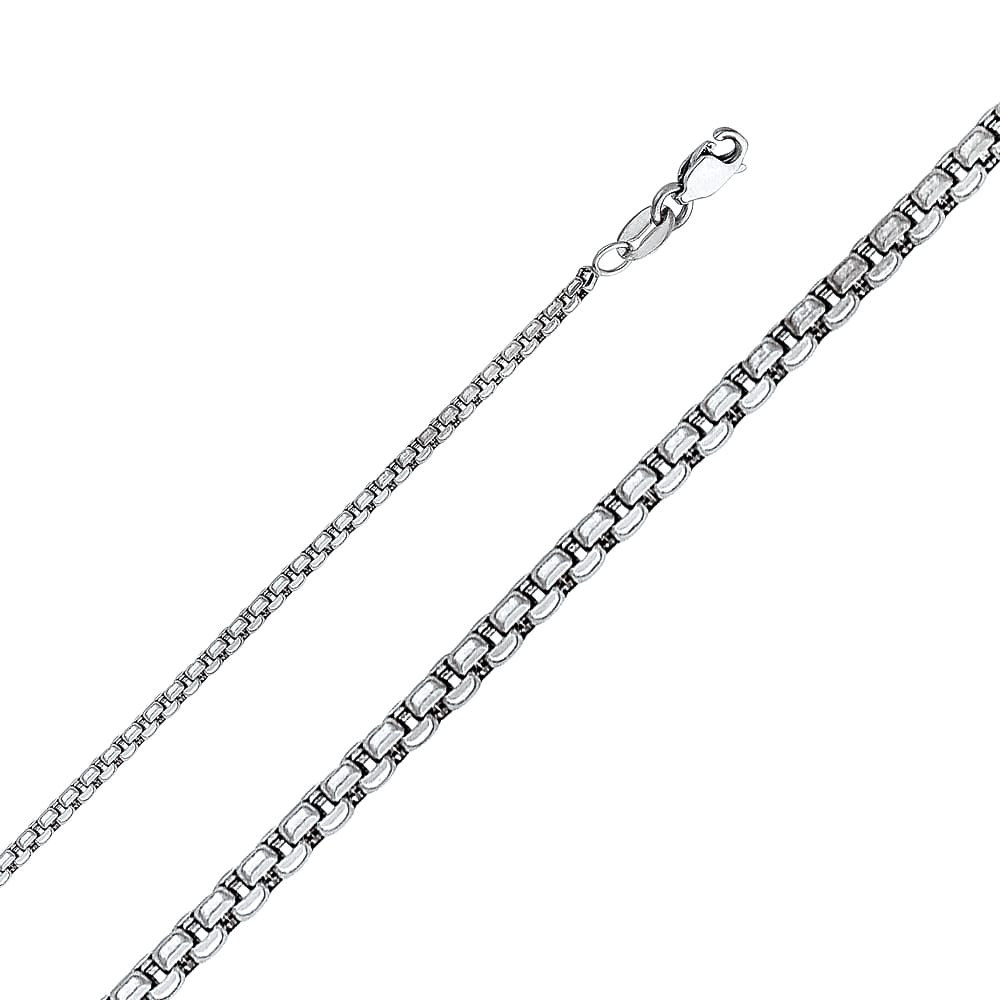
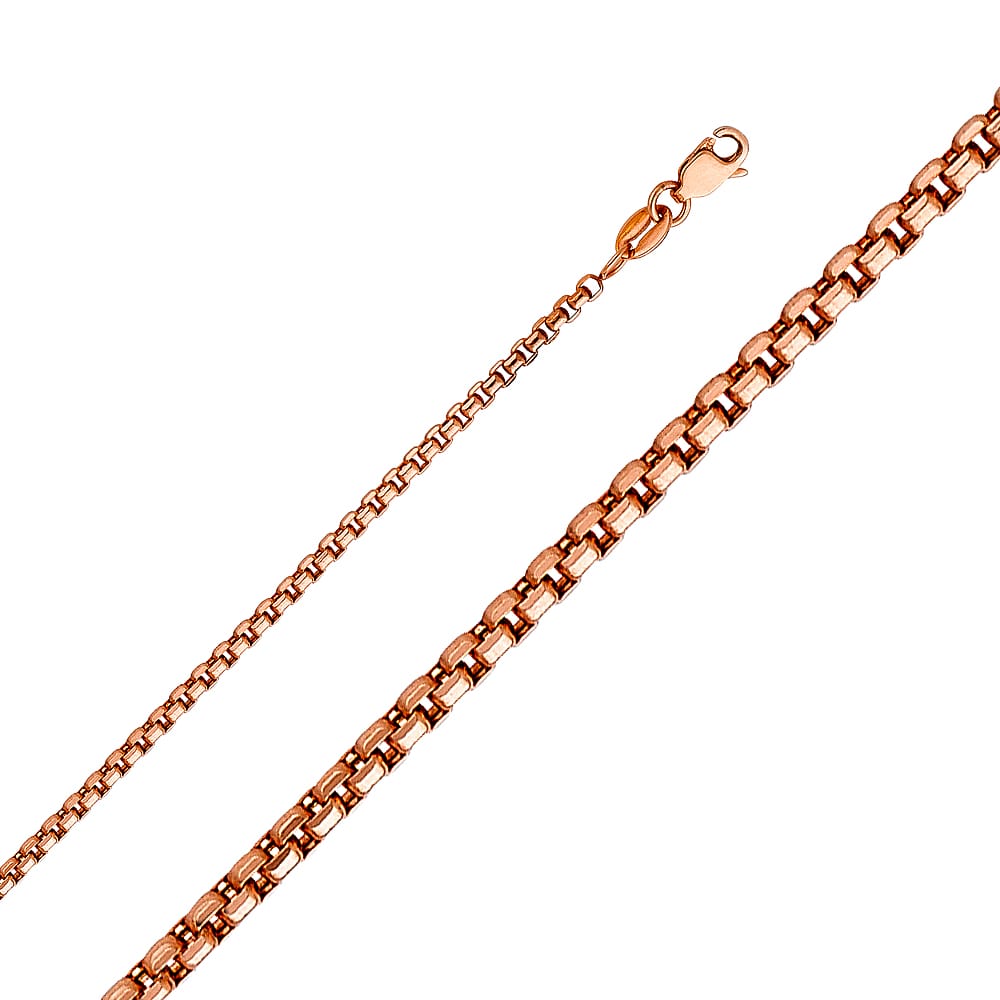
Discover the true value of your 14k gold chain. Our 2025 guide explains how to calculate its worth based on the price per gram, weight, and current market.
jewerly
03/07/2025
Last modified: 4 de July de 2025
Table Of Contents
Have you ever looked at a 14k gold chain, perhaps one that’s been sitting in your jewelry box for years, and wondered about its true monetary value? It’s a common question, and the answer is more complex than a simple number. Determining a 14k gold chain’s worth involves more than just its weight; it’s a blend of material value, artistry, and market conditions.
As jewelry experts, we understand the curiosity and the need for a clear explanation. Whether you’re considering selling a piece, looking to make a smart purchase, or simply want to inventory your assets, we’re here to guide you. This article will break down the essential factors that define your chain’s price, from its gold content to its craftsmanship, helping you arrive at a confident and realistic valuation.
Understanding 14k Gold
Before we can assess the value of a gold chain, we need to understand the material itself. What does “14k” actually mean? The “k” stands for karat, a unit used to measure the purity of gold. Pure gold, or 24k, is incredibly soft and not practical for everyday jewelry. To increase its strength and durability, it’s mixed with other metals like copper, nickel, or zinc to form an alloy.
A 14k gold piece is a specific blend: it contains 58.3% pure gold (14 parts out of 24) and 41.7% other metals. This composition creates a beautiful and resilient material that’s perfect for jewelry you can wear daily. This balance of purity and strength is what makes 14k gold one of the most popular choices for chains and other fine jewelry worldwide.
Factors That Influence the Value of a 14k Gold Chain
Several key elements come together to determine the final price of a 14k gold piece. While some factors are based on hard numbers, others are more subjective. The table below summarizes the primary drivers of value.
Factor
Impact on Value
Gold Weight & Purity
This is the foundation of the chain’s price, based on the amount of pure gold it contains.
Gold Spot Price
The daily fluctuating market price of gold directly controls the base value.
Craftsmanship & Design
Intricate, handmade, or designer pieces carry a premium far beyond their material worth.
Brand & Retailer
Luxury brands command higher prices due to reputation, quality, and exclusivity.
Condition & Age
Pristine items are worth more, while damage reduces value. True antiques can be valuable to collectors.
Let’s explore each one in more detail.
Gold Weight and Purity
The most significant driver of your chain’s base value is its gold content. This is often referred to as its melt value or scrap value. Two components are crucial here:
Weight: Heavier chains contain more gold, and therefore, they are inherently more valuable. Jewelers measure weight in grams (g) or pennyweights (dwt). A precise digital scale is the best tool for getting an accurate reading.
Purity: As we’ve covered, 14k gold is 58.3% pure. When calculating its base worth, a buyer will only consider the weight of the pure gold within the chain, not the total weight of the alloy.
The Current Spot Price of Gold
The value of gold is not static. It fluctuates daily based on global market trading. This is known as the “spot price” of gold, which is the standard price for one troy ounce of pure gold. To find the current value of the gold in your chain, you must first know the day’s spot price. Any reputable jeweler or online financial resource can provide you with this up-to-the-minute information. This market price is the foundation for all valuation calculations.
Craftsmanship and Design
Is your chain a simple, machine-made curb link, or is it an intricate, handmade rope chain? The level of craftsmanship and the complexity of the design play a vital role in its overall worth, especially beyond its simple gold content. A mass-produced chain will be valued closer to its material price, while a piece from a master artisan or a unique custom design carries a premium. The skill, time, and artistry invested in creating the chain add a layer of value that scrap calculations simply can’t capture.
Brand and Retailer Markups
Where the chain was purchased can also influence its price. A chain from a high-end, luxury brand like Tiffany & Co. or Cartier will command a much higher price than an unbranded piece with the same weight and purity. This is due to the brand’s reputation, perceived quality, and design exclusivity. When you buy from a retailer, the price includes not just the gold and craftsmanship but also the store’s overhead, marketing costs, and profit margin. This is why the retail price is always significantly higher than the resale or melt value.
Condition and Age
The physical state of your chain is another important consideration. A piece in pristine, like-new condition will naturally fetch a better price than one that is kinked, scratched, or has a broken clasp. Any damage can detract from its retail or resale value, pushing its price closer to its scrap gold worth.
Age can be a double-edged sword. A recently purchased chain might have a higher resale value, but a true antique or vintage piece could be worth more to a collector, especially if it represents a specific, sought-after style period.
How to Calculate the Value of Your 14k Gold Chain
Now, let’s get practical. To estimate your chain’s base value, you can perform a straightforward calculation.
Find the Weight: Use a jewelry scale to weigh your chain in grams.
Determine Pure Gold Content:Multiply the chain’s total weight by 0.583 (the percentage of pure gold in 14k). This gives you the weight of the pure gold in your chain.
Check the Gold Spot Price: Find the current spot price of gold per gram. (Note: The spot price is often listed per troy ounce, so you may need to convert it. One troy ounce is 31.1 grams).
Calculate Melt Value: Multiply the weight of your pure gold (from Step 2) by the current spot price per gram (from Step 3).
This number represents the chain’s melt value. Remember, a buyer will offer you a percentage of this figure, not the full amount, to cover their own processing costs and profit.
Where to Sell Your 14k Gold Chain
If you decide to sell your piece, you have several options. Each comes with its own advantages and disadvantages, as outlined below.
Selling Venue
Pro (Advantage)
Con (Disadvantage)
Pawn Shops
Fast cash and immediate payment.
Typically offer the lowest percentage of the item’s true value.
Local Jewelers
Fairer prices, especially for resellable items; builds trust.
May not offer cash for every piece if it doesn’t fit their inventory.
Online Gold Buyers
Convenient process from home; often competitive rates.
Requires careful research to avoid scams and ensure fair assessment.
Consignment Shops
Can yield a higher return for designer or unique pieces.
Payment is not immediate; the shop takes a significant commission.
Researching your options is crucial. A trusted local jeweler often provides a good balance of fair pricing and security, while online buyers require due diligence to ensure they are reputable.
Emotional vs. Monetary Value
Finally, we must touch on a factor that can’t be measured in grams or dollars: sentimental value. A chain given as a gift from a loved one or worn during a significant life event holds a personal worth that transcends any market price. Before you decide to sell, take a moment to consider the piece’s history and what it means to you. Sometimes, the memories attached to a piece of jewelry are far more valuable than the cash it could bring. This is a personal decision, and there is no right or wrong answer, but it’s an essential part of the valuation process.
What's the average men's ring size? Our 2025 guide reveals the most common sizes, plus easy ways to measure at home. Find the perfect fit with our expert tips.
Whether you select a crown ring that makes her feel like royalty, a heart ring that speaks of love, or a tri-color design that honors cultural roots, the most important…
Tired of traditional diamonds? Explore unique engagement ring alternatives, from colorful gemstones and elegant watches to meaningful tattoos. Find a symbol of love that truly tells your story.
Torn between a 10k vs 14k gold chain? Discover the key differences in durability, color, price, and daily wear to make the perfect choice for your style.
Flores Jewelry
25310 Madison Ave, Murrieta, CA 92562
Monday 10am - 6pm Tus - Fri 9am - 7pm Sat - Sun 10am - 6pm
info@floresjewelry.online
+1 951-319-0562
Subscribe Now
Subscribe to our Email List to Receive Special Offers, Free Giveaways and More!